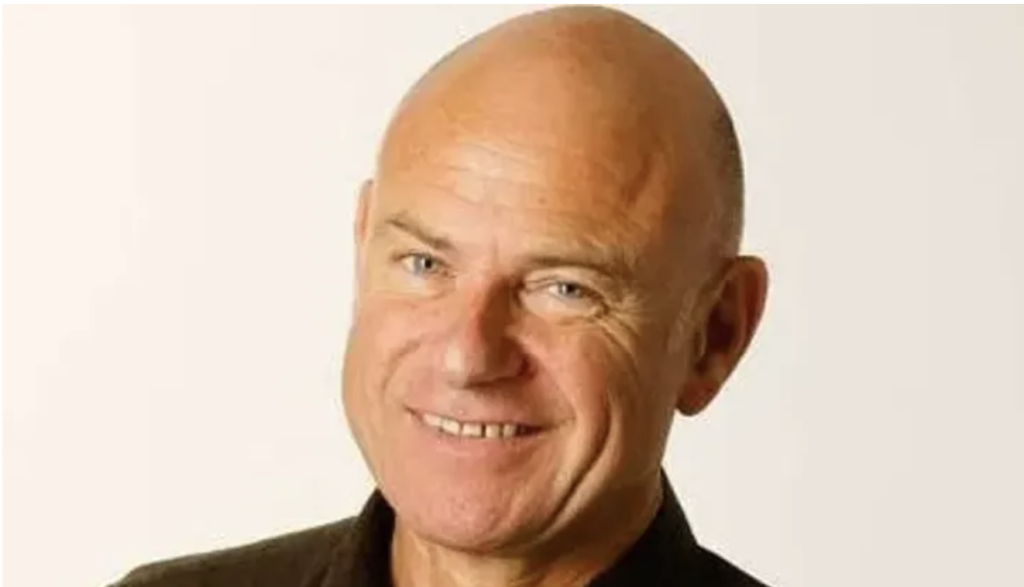
We at the FWA remember the friends, former members and colleagues who died in the past year.
Tributes to many of them are elsewhere on our website, and below is a new tribute to Patrick Barclay, written and read out at a memorial event by his great friend Ian Ridley
Ian Ross was the latest of a number of friends and FWA members who passed away in 2025. ‘Rossie’ had moved from the Liverpool Echo and Post to the Daily Telegraph and then Guardian, before becoming press officer at Everton in 2001. He died shortly before Christmas. Our condolences go to his family and friends.

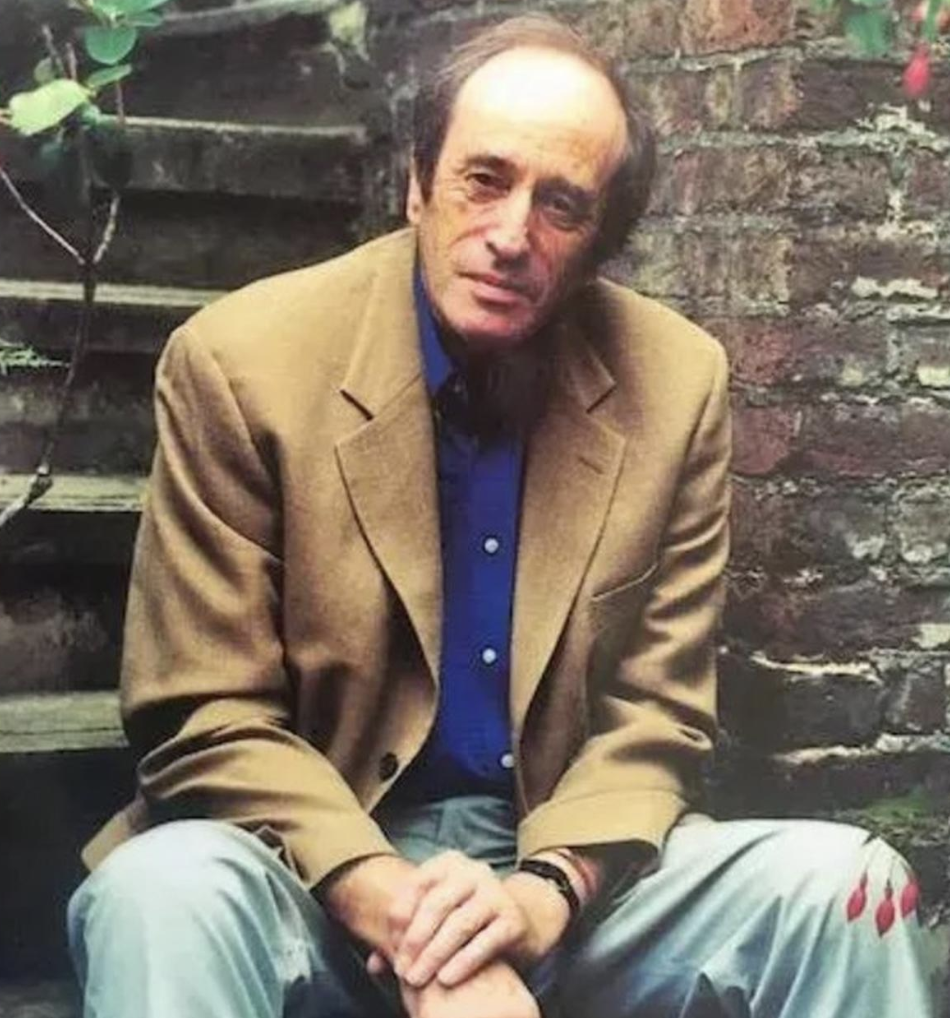
Many other former colleagues passed away in 2025. Brian Glanville was a giant of football writing, one of the greats, who died in May aged 93.
Other names include Paul Lagan, John Curtis, Peter Blackman, Rob Steen, Morley Myers, Robert Philip, Gerry Harrison and Colin Hart, one of the great boxing writers, and friend to many of us.
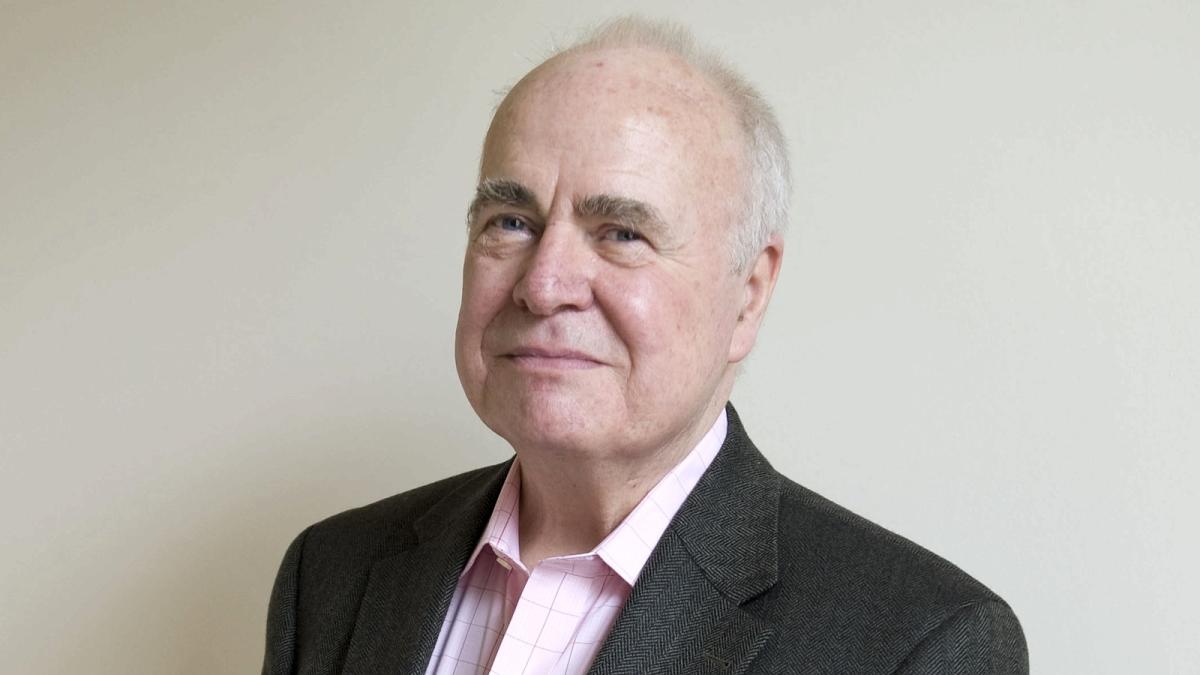
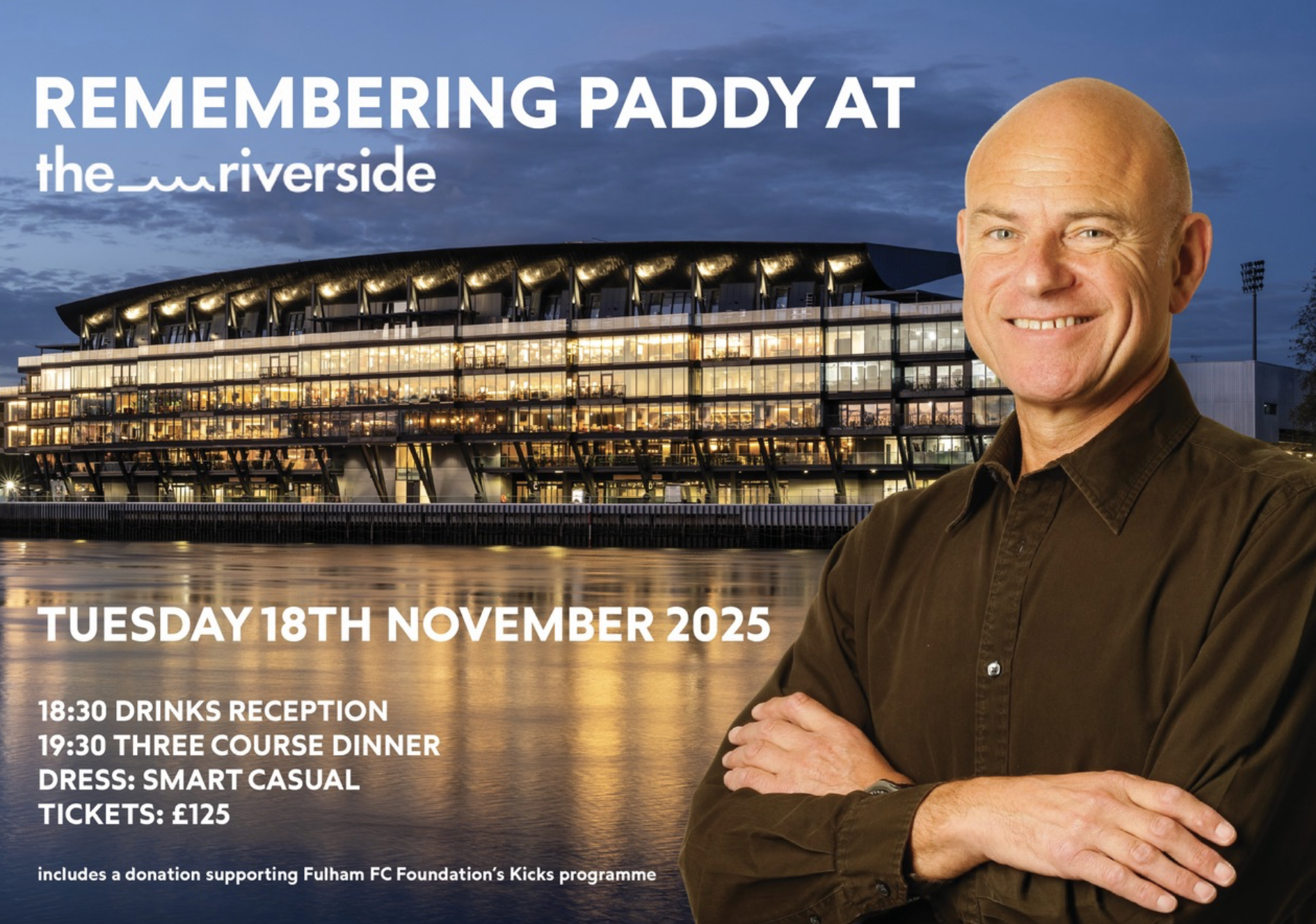
Most notably our former chairman Patrick Barclay passed away in February. We remembered Paddy on a special evening at Craven Cottage, organised by his friends Alyson Rudd and Lauren Clark.
Below is the speech that his colleague Ian Ridley read out on that evening in November:
PADDY, BY IAN RIDLEY
He liked an adjective, didn’t he, so here’s a few…. warm, witty, generous, irascible, maddening, magnificent.
I thank you Paddy for being a football-writing mentor and a travelling companion for pretty much all of my career. And I thank you for becoming my unofficial relationship advisor… whether any advice was sought or not.
I first met Paddy when I joined the Guardian in 1980 and he was Manchester football correspondent. I was alerted by my fellow sports sub-editors quite quickly that he could be fearsome if his copy was, as he might say, tampered with.
One Sunday early on, he filed an intro on his Monday piece about a 1-0 Manchester United win. “Manchester United these days are like sex,” he wrote. (These were different times, by the way). “When they are good, they are very good. And even when they’re bad, they’re good.”
I put a headline on it of Sex and the Single Goal. (One for the more mature film-goer there.) On Monday morning my home phone rang. “It’s Paddy,” the voice warned. There was a pause. “Great headline Ridders. Getting loads of phone calls about it.” That was also Paddy. He gave credit where he perceived it was due. We hit it off pretty quickly.
I loved the way he viewed football, with a mixture of child-like wonder and wry, critical eye. I loved his turns of phrase: Glenn Hoddle as England manager had the priceless gift of self-certainty, he wrote. I loved the way he turned clichés on their head: such as describing a flashy, lazy player as hiding his bushel under a light.
I loved as well sitting alongside him in press boxes to get the full benefit of his trenchant analyses. Who didn’t hear “Christ” uttered loudly a few times? And his philosophical musings. He turned to me on one windy day. “You never get a good game when there’s crisp packets blowing on the pitch,” he said.
Or drinking coffee with him, and him saying. “Well, I can’t sit here all day. I need to ring my sports editor to tell him what he thinks.”
If anyone on the desk had committed the crime of splitting a long paragraph into two, he would inform them that a paragraph was a unit of thought, not length.
And if ever there might have been an inconsistency in his thinking or judgement, he would counter with: “What are minds for if not for changing?”
Paddy agreed with those who might have suggested that news stories were not his forte. But he often secured pieces that others might not have, due to his charm and cunning.
I recall being with him at a Germany press conference at the 1994 World Cup. We got chatting to a bloke who turned out to be Jurgen Klinsmann’s agent and who insisted on telling us all about his client’s new sponsorship deal with a bakery chain.
Bored, I walked away but Paddy stayed. Later I asked him why and he showed me a piece of paper with a phone number for Klinsmann, who was then a huge superstar.
That night, Klinsmann took Paddy’s phone call and duly provided an exclusive interview for that Sunday’s paper, an interview that contained a skilfully woven-in reference to a German bakery chain. He didn’t say it to me, but he would have been justified in telling me: watch and learn kid, watch and learn.
We had our run-ins. The one that sticks in my mind happened in the rental car Paddy leased at Le Tournoi in France in 1997 only to find he’d forgotten his driving licence so he expected me to take the wheel. That was fine until I got lost in the back streets of Lyon on the way to a Brazil press conference and his ire went from 0 to 60 in 10 seconds.
He, by the way, was supposed to be navigating but it was still my fault. Somehow we ended up having a stand-up row in the street to the bemusement of locals and the amusement of Paul Hayward and Clive Tyldesley in the back seat.
We got over it, of course, as Paddy was never the best at nursing a grudge, though not averse to settling scores. During the writing of his biography of Sir Alex Ferguson, he told me about the time he was sitting in Jose Mourinho’s office, I believe in Madrid at that time, talking about the great man, when Mourinho’s phone rang. It was Sir Alex, who had heard of the meeting with his usual ears and eyes everywhere, and was instructing Jose not to talk, Paddy having written something in a newspaper piece that irked Sir Alex.
After that, the book’s tone changed from respectful and admiring to more critical and sceptical. Having been told the story by Paddy, I looked out for the passage where it changed and rang him when I thought I’d found it. He was delighted I had. Worth trying it for yourselves.
I feel I owe him words, both for who he was to me, and the kind words he offered after the death of my wife Vikki Orvice, vice-chair to him as chair of the FWA. But I think there is one word above all that defines him and that is quite simply Paddy. Few people stick in the memory enough to be known by just their first names. He was certainly one, and one of a kind.